It stays fresher.
Hyper-Chitin®. The structure that makes a shell a shell — porous, tough, naturally antimicrobial — reclaimed and bound into the fiber.
The idea
Odor isn't sweat. It's what grows in it.
Sweat is clean. The smell comes from bacteria feeding on it, and polyester is their favorite place to live. Chitin is the natural opposite: a material the ocean evolved to keep things from growing on it. We bind it to the fiber so your shirt gets the same protection a shell has.
Where it comes from
Reclaimed. Refined. Written in.
Reclaimed
Crab shells are the second most abundant natural polymer on earth, and most of it is thrown away by the food industry. We start there.
Refined
The chitin is extracted and refined to a form that can bond with cellulose — the stuff cotton is made of.
Written in
It is bound to the fiber at the raw-fiber stage. Not a finish, not a spray. It cannot wash out because it was never on the outside.
The mechanism
Watch it catch.
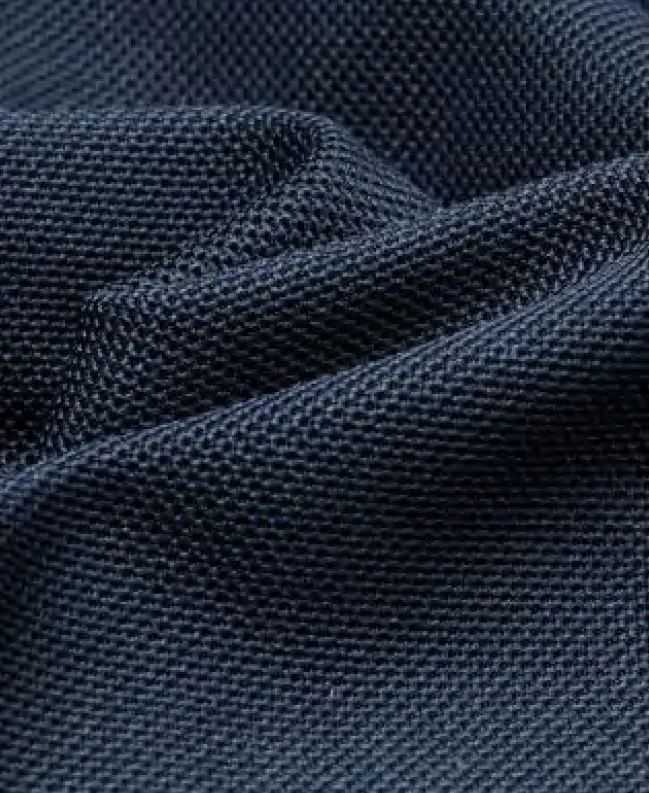
Odor-causing bacteria drift through the fabric. Chitin's structure and its natural charge stop them from settling and multiplying. Scroll to turn it on.
Specification
Against the usual anti-odor finishes.
Most “anti-odor” performance wear relies on silver ions or a chemical biocide applied to polyester. Both work, for a while.
| Property | Hyper-Chitin® | Silver / biocide finish |
|---|---|---|
| Source | Reclaimed crab shell | Mined metal or synthetic chemistry |
| Where it lives | Bound into the fiber | Applied to the surface |
| After 50 washes | Unchanged | Diminished; leaches into water |
| Odor-causing bacteria | −99.9% | Varies by wash count |
| Sensitive skin | Safe · OEKO-TEX® Class I | Irritation reported |
| Also does | Absorbs moisture, lets air through | — |
Wear test
Day one. Day three. Wash fifty.
Finishes are tested new. We care what happens after a season. Because the chitin is in the fiber, the number on day one is the number after the fiftieth wash.
Reduction in odor-causing bacteria on finished fabric.
Worn three days running. Still no smell to speak of.
Nothing to wash out, so nothing changes.
Where it earns its keep
Wear it hard. Wear it again tomorrow.
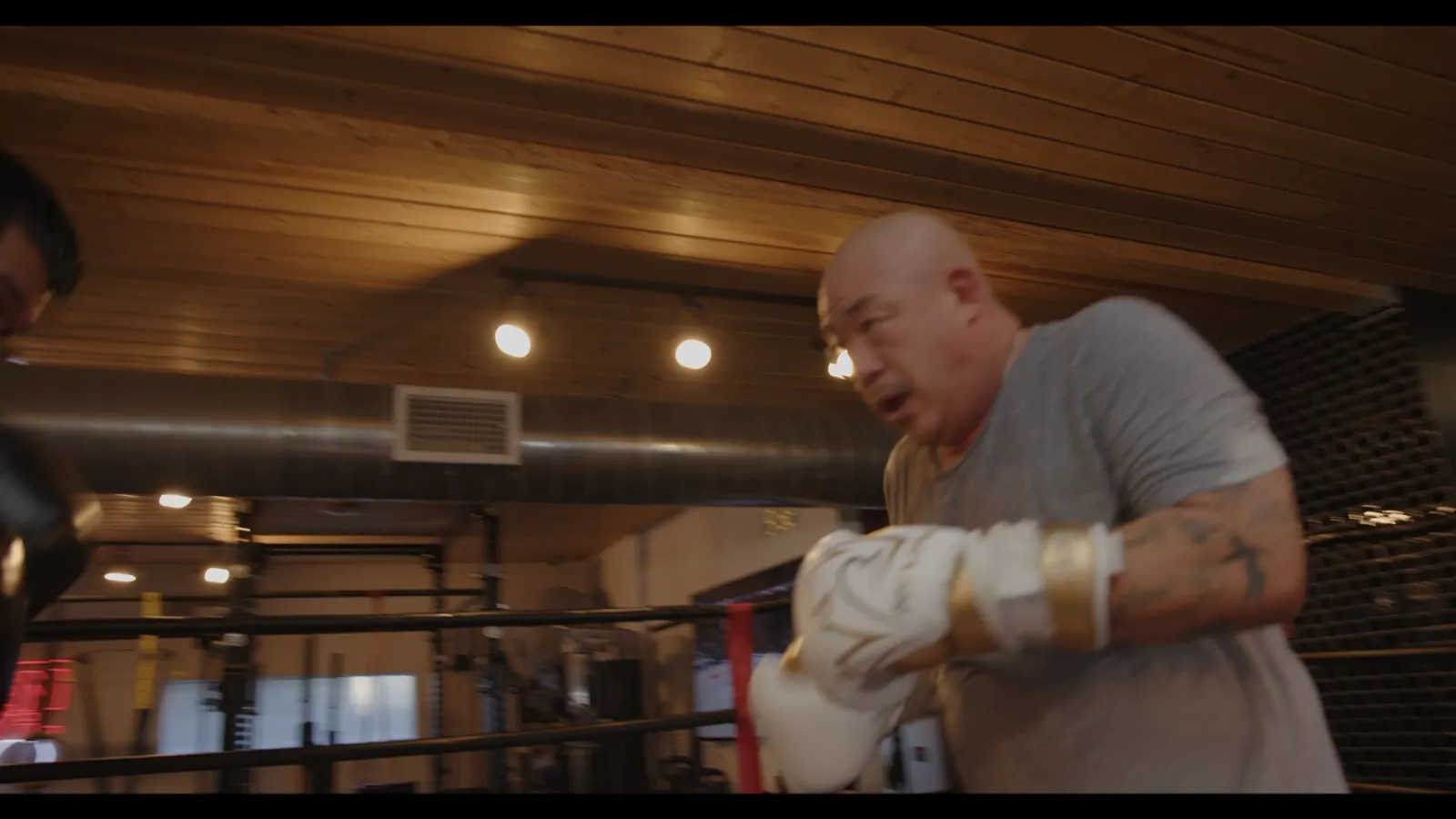 Body in motion

A travel shirt that goes three days. A tee that comes out of the gym bag the next morning without an argument. That is what 99.9% means off the lab bench.

Questions
Fair ones.
Is there crab in my shirt?
Is it safe for shellfish allergies?
Does it wash out?
How is it different from silver?
Why does it matter for sensitive skin?
Shop Hyper-Chitin®
In every fabric we make.
Back to · 01